
Four reasons why I read Romans and the Pauline Epistles in their first-century political context

Four reasons why I read Romans and the Pauline Epistles in their first-century political context

A five book series plan set primarily in Judea during the tumultuous 40s CE.
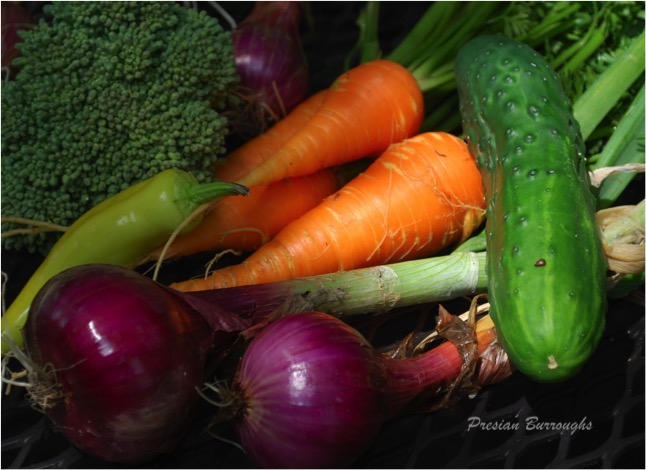

We connect with God, people, other creatures, plants, and non-living things through our eating and drinking. Our food choices, in turn, affect the wellbeing of ecosystems, people, animals, and plants. In light of God’s purpose to liberate creation from its slavery to destruction (Rom 8:21), Christians may reasonably conclude that we follow our Lord’s designs when we minimize creation’s destruction. More specifically, we might extrapolate from Paul’s instructions to the Christians in Rome that we should “not, by [our] eating, destroy that one for whom Christ died” (Rom 14:15b) (Presian’s Translation). Christ’s death liberates human creatures from our slavery to sin and death and nonhuman creation from its slavery to destruction (Rom 5–6; 8:19–21). Such a central theological conviction offers Christians a guiding ethical principle: we are called to live our lives in ways that cause minimal amounts of undue and long-term forms of suffering and degradation to people, animals, plants, and ecosystems. We are invited, instead, to cooperate with God in the divine work of establishing justice and restoring life.
There are countless ways we can decrease destruction and inspire restoration in God’s creation through our food and farming choices. The following set of checklists are provided to congregational leaders and participants to get this dauting process started. Congregations are encouraged to engage in a congregational food audit, in which they strive (over a reasonable period of time) to implement strategic goals related to food production and consumption in their worship spaces and homes.
With the above goals in view, leaders and congregants might evaluate the following aspects of the faith community’s activities to ensure that love for God and love for human and nonhuman neighbors guide its decisions related to food:
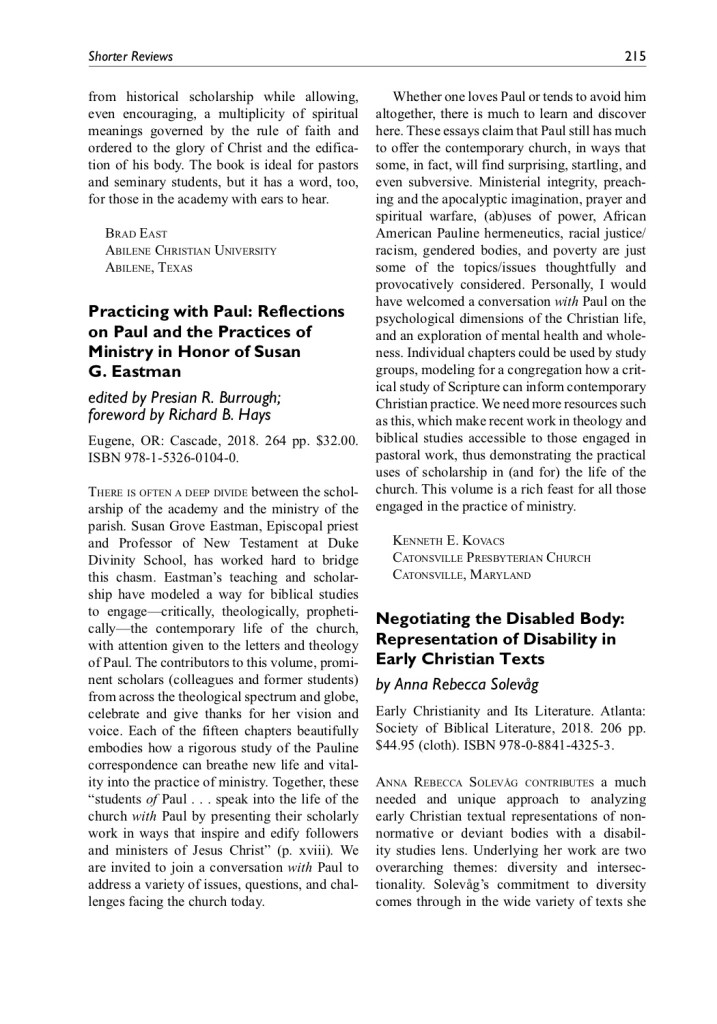
Here is a review of Practicing with Paul that appeared in Interpretation, April 2020.

Thanks to Interpretation for giving me permission to post this review.
Get new content delivered directly to your inbox.


In her book, This is God’s Table: Finding Church beyond the Walls, Reverend Anna Woofenden invites readers into the beauty, struggle, and delight of planting “a church that is a garden and a garden that is a church.” While tracing the first years of the Garden Church—a unique, outdoor church in San Pedro, CA—Woofenden skillfully exegetes scripture and engages in rich theological and liturgical reflection to portray this church’s mission, history, and practice.
Woofenden’s portrait includes a holistic depiction of the social and ecological injustices faced in San Pedro, as one microcosm of the U.S. Her mission in San Pedro was to be “the pastor to the neighborhood, not just the people in my congregation. I wanted to create a place where all could come together and reconnect to their food, to the earth, to each other, and to God” (43). Because she attends so carefully to the nonhuman creation along with the human, Woofenden’s story provides poignant theological reflections on the concrete realities of life. Her insights into death, decay, and resurrection are especially powerful: “The gospels, the good news, doesn’t promise us a pretty garden with linear rows and predictable fruit. The gospel shows us a messier picture, but also a defiantly hopeful one. It is the gospel of the dust and the good news of the compost heap. It is not always pretty, it does not smell good, but it is always moving into the renewal of all things” (129). Example after example of renewal, love, and restoration at the Garden Church illustrate creative ways in which church leaders and members can align their ecclesial lives with the work of God.
As a scholar of New Testament and Ecological Theology, I strongly recommend this book to church leaders, clergy, and professors. It will inspire all readers to reconsider how churches might expand beyond their typical walls and re-conceive their mission as supporting the health of the entire earth.
Consider ordering This is God’s Table at https://bookshop.org/lists/recommended-books-a5b33cec-844b-4e64-bd67-fec643ada814?fbclid=IwAR3dQILBIgQ9SShC2L-zcar3eGoyxcBLf93KAfBGiKoPKTCykXn0h7_ruLo.
Listen to my conversation with Anna Woofenden and Sam Chamelin about Scripture and creation and especially my interpretation of Romans 8:19-22.
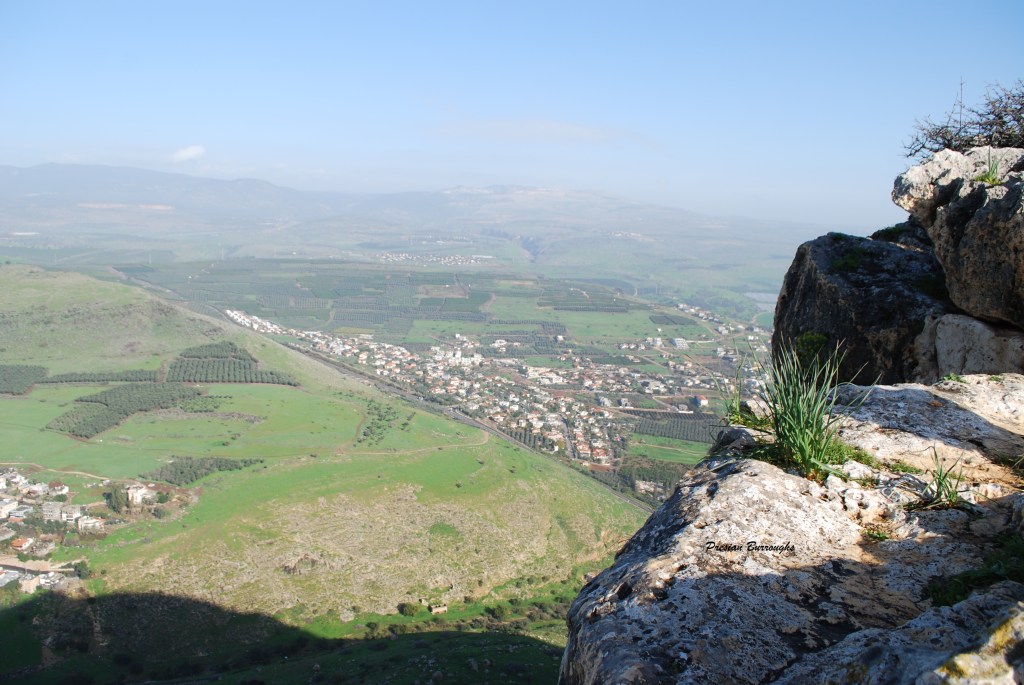
During the first Sunday of Lent, the Revised Common Lectionary directs Christians to read Genesis 3 and Romans 5. These texts can expose the ways in which we are all complicit in acts of destruction, in the undoing of creation.
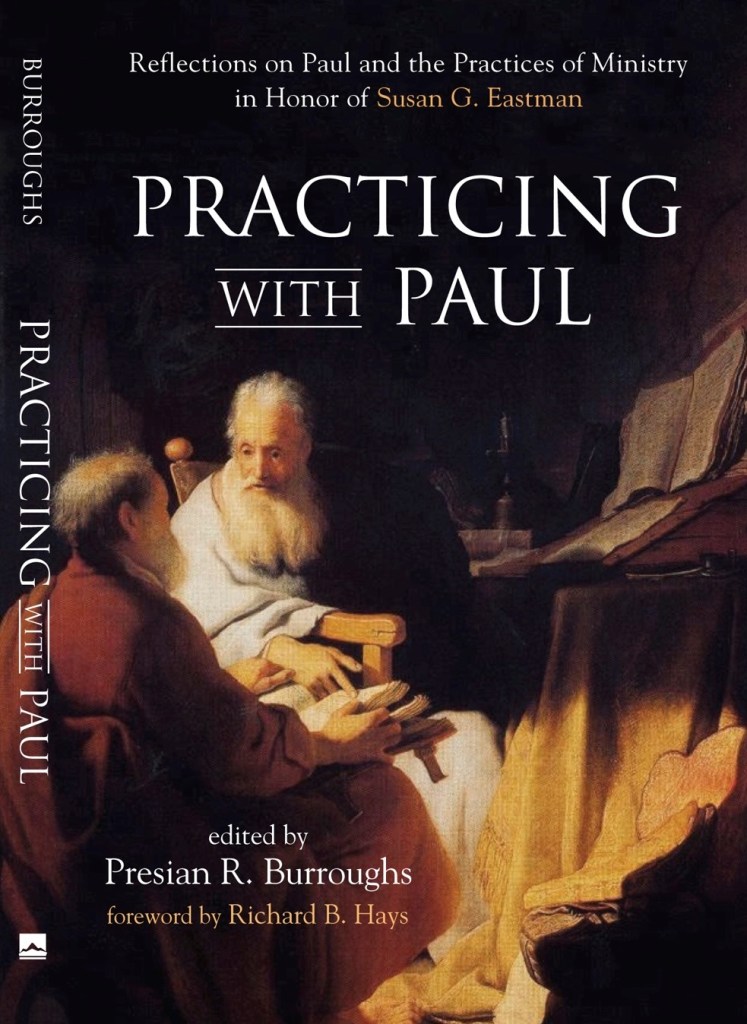
Cascade Books has kindly given me permission to share a PDF of my chapter entitled “Christlike Feasting: Attentiveness, Solidarity, and Self-Restraint.”

The chapter appears in Practicing with Paul: Reflections on Paul and the Practices of Ministry, written in honor of Rev. Dr. Susan Eastman and edited by Presian R. Burroughs.
Learn more about the book and my chapter in the interview at Practicing with Paul – Book Interview.
Enjoy!
Get new content delivered directly to your inbox.
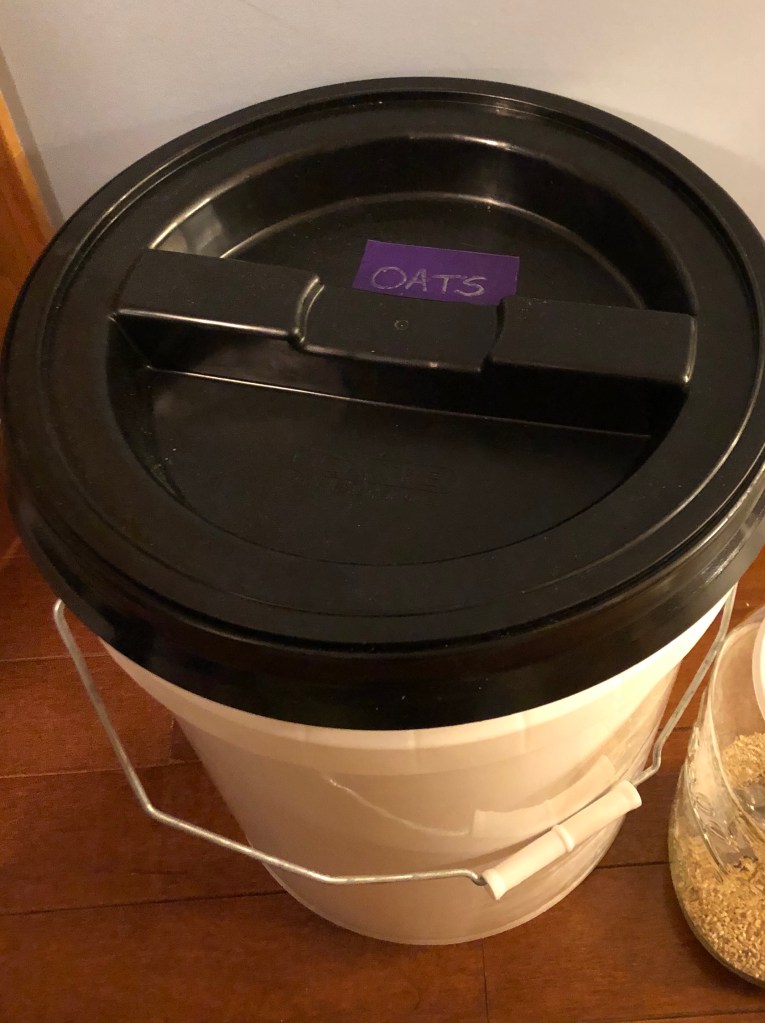
If you’re looking for a healthy, easy, and relatively inexpensive way to feed yourself and others in the mornings, this is a great recipe!
Start with organic steel-cut oats (sometimes called groats). Now, I know this can be expensive if you purchase the small bags of steel-cut oats that major grocery stores sell. Instead of this, try to find a bulk food grocery store in your area (if possible). I’ve been able to find several such stores in Ohio and Pennsylvania, where I’ve lived recently.

If you’re concerned about not being able to eat the oats before they go rancid:
Recipe

Instructions
Before going to bed:

Instructions
Continued . . .

Instructions
In the morning:

Enjoy!

Additional Information:
Get new content delivered directly to your inbox.
A small group of New Testament scholars, theologians, and practical theologians collaborated in honoring Rev. Dr. Susan Eastman with a collection of essays called Practicing With Paul: Reflections on Paul and the Practices of Ministry. I edited the volume and was invited by Cascade Books to discuss the book and my chapter in the video below. The interview gives a snapshot of my interpretation of Romans in relation to agriculture.
Get new content delivered directly to your inbox.